7 Prestigious Universities with Easier Admission for International Students (2026)
Harvard, Yale, Brown, Columbia, Cornell, Penn, and Georgetown all have alternative programs for non-traditional international students. Some offer full scholarships. Some do not. Here is the honest guide to all 7.

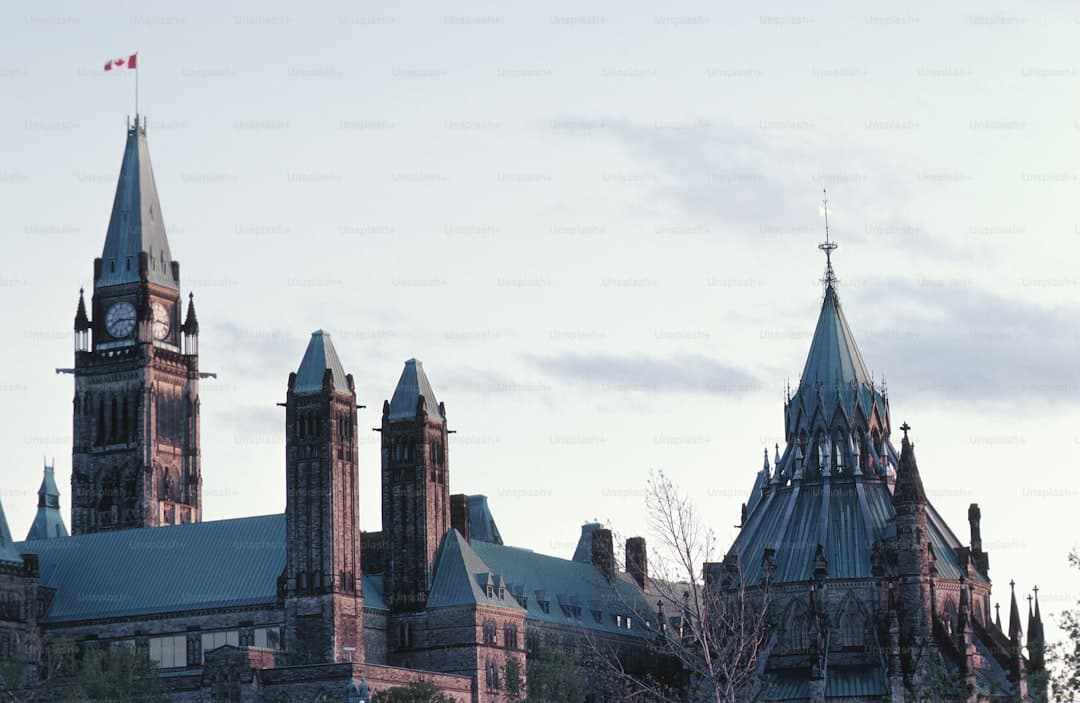
Most people think getting into Harvard, Yale, Columbia, or any top university requires perfect grades, perfect test scores, and a miracle. And for the traditional admissions process, that is almost true — acceptance rates at these schools are between 3% and 8%.
But here is what most international students do not know: seven of the most prestigious universities in America have alternative programs that are significantly easier to get into. Some of these programs even offer full scholarships for international students.
I am going to break down all seven — honestly — so you know exactly what each one offers, what it costs, and whether it is worth it for your situation.
The Two Categories#
These seven programs fall into two groups:
Programs with full scholarships for international students:
- Yale University — Eli Whitney Students Program
- Brown University — Resumed Undergraduate Education (RUE)
Programs without full scholarships (but easier admission):
- Harvard University — Extension School (ALB)
- Columbia University — General Studies (GS)
- Cornell University — Bachelor of Professional Studies (BPS)
- University of Pennsylvania — LPS (BAAS)
- Georgetown University — School of Continuing Studies (BALS)
If you need everything paid for, focus on Yale and Brown first. If you have some resources and want the prestige name, the other five are worth exploring.
1. Yale University — Eli Whitney Students Program#
The best option for older international students who need full funding.
Yale's Eli Whitney Program is for students who have been out of high school for at least 5 years and do not already have a bachelor's degree. You earn the same Yale degree, take the same classes, and are part of the same campus community as traditional Yale students.
| Detail | Info |
|---|---|
| Degree | B.A. or B.S. from Yale College |
| Eligibility | 5+ years out of high school, no bachelor's degree |
| Acceptance rate | ~10% or below |
| Cost | Free if you qualify — Yale meets 100% of demonstrated need |
| Loans | None — all grants |
| F-1 visa | Yes |
| Need-blind for internationals | Yes |
| Application | Transfer Common Application, deadline March 1 |
Why This Is Special#
Yale is one of only about 5-6 universities in the world that is need-blind for international students AND meets 100% of demonstrated financial need. This applies to Eli Whitney students too. If you get in and your family cannot pay, Yale covers everything — tuition, housing, food, books, and travel.
You are treated as independent — your parents' finances are not considered.
Who Should Apply#
Anyone who is 5+ years out of high school, does not have a bachelor's degree, and wants a world-class education for free. Military veterans, working professionals, parents, entrepreneurs — Yale wants your life experience.
For the full breakdown, check out my course: Full Scholarships for Older International Students
2. Brown University — RUE Program#
Another full-scholarship option, but more limited for international students.
Brown's Resumed Undergraduate Education program is for students who have been out of high school for at least 6 years. You earn the same B.A. as every other Brown student and benefit from Brown's famous Open Curriculum.
| Detail | Info |
|---|---|
| Degree | B.A. or Sc.B. from Brown University |
| Eligibility | 6+ years out of high school, no bachelor's degree, no more than ~2 years of college |
| Acceptance rate | ~4-5% (estimated, very selective) |
| Cost | Brown aims to meet 100% of need, but international aid is "limited" |
| F-1 visa | Yes |
| Need-blind for internationals | No — need-aware |
| Application | Brown's own RUE Application, deadline March 2 |
The Honest Truth for International Students#
Unlike Yale, Brown is need-aware for international RUE students. This means your financial need can affect your admission decision. Brown's own language says financial aid for international RUE students is "limited." If you are not offered aid at admission, you cannot apply for it later.
This does not mean you should not apply. But go in with realistic expectations and apply to Yale too.
Who Should Apply#
Strong candidates who are 6+ years out of high school and have limited college experience. Apply alongside Yale — the deadlines are one day apart (March 1 vs March 2).
3. Columbia University — General Studies (GS)#
The most legitimate alternative degree — same B.A. as Columbia College.
Columbia GS is a school within Columbia University designed for non-traditional students. Unlike every other program on this list, GS students earn the exact same B.A. as Columbia College students, take the same classes, and sit in the same classrooms.
| Detail | Info |
|---|---|
| Degree | B.A. from Columbia University (same as Columbia College) |
| Eligibility | 1+ year break from education |
| Acceptance rate | ~30% |
| Total cost | |
| Financial aid for internationals | Available but does NOT meet 100% of need (~$32,000/year average) |
| F-1 visa | Yes |
| Need-blind for internationals | Yes (for admission), but aid does not cover full need |
| Application | Columbia GS application, multiple deadlines through May 15 |
The Good#
Columbia GS gives you the most legitimate credential on this list. Same degree, same classes, same professors. The acceptance rate of 30% is far more accessible than Columbia College's 4%. And admissions is actually need-blind for international students — better than Columbia College itself, which is need-aware for internationals.
The Bad#
At ~$94,000/year with an average international aid package of $32,000, you face a gap of roughly $60,000 per year. Over 4 years, that is $240,000 in unmet need. This is the fundamental problem with Columbia GS for international students from poor families.
Who Should Consider This#
Students who can piece together funding from GS aid, outside scholarships, MPOWER loans, family support, or the dual degree programs (Sciences Po, Trinity College Dublin, Tel Aviv University). If you can make the money work, GS is an incredible option.
4. Harvard University — Extension School (ALB)#
The cheapest Ivy League degree. No application to start. Mostly online.
Harvard Extension School lets you earn a Bachelor of Liberal Arts in Extension Studies (ALB) through a unique "prove yourself" model. There is no traditional application — you register for courses, earn good grades, and then get formally admitted.
| Detail | Info |
|---|---|
| Degree | Bachelor of Liberal Arts in Extension Studies (ALB) |
| Eligibility | 5+ years out of high school |
| Acceptance rate | ~32% earn required grades (performance-based filter) |
| Total cost | $30,000 - $60,000 (depending on transfer credits) |
| Financial aid for internationals | Very limited |
| F-1 visa | No (except for summer via Harvard Summer School) |
| Format | Mostly online, 8 credits on campus |
| Application | Open enrollment — start anytime |
How It Works#
- Register for courses (no application needed)
- Complete 3 pre-admission courses with a B or higher ($1,080 each)
- Apply for formal admission — essentially guaranteed if you met the grades
- Continue toward your degree
The Diploma Question#
Your diploma says Harvard University but also says "Extension Studies." It is NOT the same as a Harvard College degree. In most of the world, people see "Harvard" and are impressed. In certain competitive US circles, the distinction is known.
Who Should Consider This#
Anyone who wants a Harvard credential at a fraction of the cost and is willing to study online from their home country. The low entry cost ($1,080 for your first course) means you can test it before committing.
5. Georgetown University — School of Continuing Studies (BALS)#
A respected university with one of the most affordable online options.
Georgetown's School of Continuing Studies offers the Bachelor of Arts in Liberal Studies (BALS) — available both on campus in Washington, D.C. and fully online through Coursera.
| Detail | Info |
|---|---|
| Degree | Bachelor of Arts in Liberal Studies (BALS) |
| Eligibility | Non-traditional/adult learners, no bachelor's degree |
| Acceptance rate | Not published (estimated significantly higher than Georgetown's 12% overall) |
| Total cost (online) | ~$22,000 - $48,000 |
| Total cost (on-campus) | ~$55,000 - $118,000 |
| Financial aid for internationals | Very limited — no international-specific scholarships |
| F-1 visa | On-campus only (not for online program) |
| Format | Online (Coursera) or on-campus (evening/weekend) |
| SAT/ACT | Not required |
Two Paths, Very Different Costs#
The online program at ~$400 per credit is one of the most affordable prestigious degrees available anywhere. With 64 transfer credits, you could finish for about $22,000 — less than almost any other option on this list.
The on-campus program at ~$984 per credit is more expensive and is the only path that supports F-1 visas. But with very limited financial aid for international students, you would need to largely self-fund.
The Diploma#
Your diploma says Georgetown University and School of Continuing Studies. It does not say "online." It is the same basic diploma format as all Georgetown degrees, written in Latin. But anyone who knows Georgetown's structure will recognize the SCS designation.
Concentrations Available#
- Business and Entrepreneurship
- Humanities
- Individualized Study
- International Relations
- Professional Media and Communication
Who Should Consider This#
International students who want an affordable, flexible degree from a well-known university. The online program is especially attractive — at $400 per credit, you can pay as you go while working in your home country. Georgetown has a 50+ year track record with this program.
6. University of Pennsylvania — LPS (BAAS)#
An Ivy League degree online with a prove-your-way-in option.
Penn's College of Liberal and Professional Studies offers the Bachelor of Applied Arts and Sciences (BAAS) — almost entirely online with rolling admissions.
| Detail | Info |
|---|---|
| Degree | Bachelor of Applied Arts and Sciences (BAAS) |
| Eligibility | No bachelor's degree, no break-in-education requirement |
| Acceptance rate | Not published (rolling admissions, likely high) |
| Total cost | $43,000 - $86,000 |
| Financial aid for internationals | Very limited |
| F-1 visa | No (online program) |
| Format | Almost entirely online |
| Application | Rolling admissions OR Gateway program (prove your way in) |
The Gateway Program#
If your academic record is not strong enough for standard admission (3.0 GPA), you can take 4 designated courses and earn a 2.7 GPA to prove yourself in. This is similar to Harvard Extension's model.
Who Should Consider This#
Students who want an Ivy League name with maximum flexibility. No age requirement, no break-in-education requirement, rolling admissions, and a prove-your-way-in path for those with weaker academic records. Ideal for working adults who want to study at their own pace.
7. Cornell University — Bachelor of Professional Studies (BPS)#
The newest Ivy League option — launching 2027.
Cornell announced its first-ever part-time online bachelor's degree in 2026. Applications open January 2027 with the first class starting August 2027.
| Detail | Info |
|---|---|
| Degree | Bachelor of Professional Studies (BPS) |
| Eligibility | 4+ years out of high school, 45-60 existing college credits |
| Acceptance rate | Not yet known |
| Total cost | $55,000 - $69,000 |
| Financial aid for internationals | TBD (need-based aid planned) |
| F-1 visa | No (online program) |
| Format | Fully online, asynchronous |
| First major | Organizations, Markets, and Society |
What to Know#
This program is not available yet. The first and only major at launch is Organizations, Markets, and Society (business, economics, policy). You need 45-60 existing college credits to apply — you cannot start from scratch like Harvard Extension.
Who Should Watch This#
Students who already have some college experience and can wait until 2027. The price point ($55K-$69K) and asynchronous online format make it competitive with UPenn LPS. Check the Cornell SCE website for updates.
The Complete Comparison#
| Program | Degree | Total Cost | Full Scholarship? | F-1 Visa? | Format | Available Now? |
|---|---|---|---|---|---|---|
| Yale Eli Whitney | B.A./B.S. (same as Yale College) | Free with aid | Yes — 100% need met | Yes | On campus | Yes |
| Brown RUE | B.A./Sc.B. (same as Brown) | Varies — limited intl aid | Partially | Yes | On campus | Yes |
| Columbia GS | B.A. (same as Columbia College) | ~$375,000 | No — ~$32K avg aid | Yes | On campus | Yes |
| Georgetown SCS | BALS | $22K-$48K online / $55K-$118K campus | No | Campus only | Online or campus | Yes |
| Harvard Extension | ALB | $30K-$60K | No | No | Mostly online | Yes |
| UPenn LPS | BAAS | $43K-$86K | No | No | Online | Yes |
| Cornell BPS | BPS | $55K-$69K | TBD | No | Online | 2027 |
My Recommendation#
Here is how I would think about these programs depending on your situation:
If you need a full scholarship#
Apply to Yale Eli Whitney and Brown RUE. Yale is the stronger option — need-blind, 100% of need met, no loans. Brown is worth adding since the deadline is one day later. If neither works, explore the 60+ schools offering full scholarships through traditional admissions.
If you want the best credential and can handle the cost#
Columbia GS. Same B.A. as Columbia College, full campus integration, F-1 visa. But only if you can piece together funding from GS aid, MPOWER loans, outside scholarships, and other sources.
If you want a prestigious degree and need to stay in your home country#
Harvard Extension for the cheapest option ($30K-$60K). Georgetown SCS online for the most affordable ($22K-$48K with transfers). UPenn LPS or Cornell BPS for middle-ground options with rolling or upcoming admissions.
If you are not sure and want to test the waters#
Start with one course at Harvard Extension ($1,080) or one course at Georgetown SCS online (~$400). See if you can handle the work before committing to a full degree. You risk almost nothing.
Apply to the Right Schools#
The biggest mistake I see international students make is applying only to the most famous programs without a strategy. Be smart about this:
- Apply to Yale Eli Whitney if you are 5+ years out of high school and need full funding — this should be your first choice
- Add Brown RUE if you are 6+ years out of high school — the deadline is March 2, one day after Yale
- Consider Columbia GS if you can handle the cost — the best credential on this list
- Start Harvard Extension or Georgetown online if you want to study now with low risk — no application needed for Harvard, and both are affordable
Do not only apply to one program. Cast a wide net, and make sure at least one of your options is a full-scholarship school from my other courses:
- Study for FREE in the USA — Bachelor's
- Full Scholarships for International Transfer Students
- Full Scholarships for Older International Students
- Easier Paths into Harvard, Columbia, Cornell & Penn
Your age, your background, and your financial situation are not obstacles — they are part of your story. These programs exist because schools like Yale, Harvard, and Columbia believe that story has value. Now go tell it.
Get More Help#
Join The Village — thousands of international students figuring it out together.
Book a 1-on-1 Call With Me — 60 minutes of focused guidance on your specific situation.

Need more help?
Want me to walk you through your applications, step by step? That's what my mentorship program is for.
In Nigeria? Skool is blocked there — if you see “under maintenance,” open the link with a VPN set to the US or UK.